
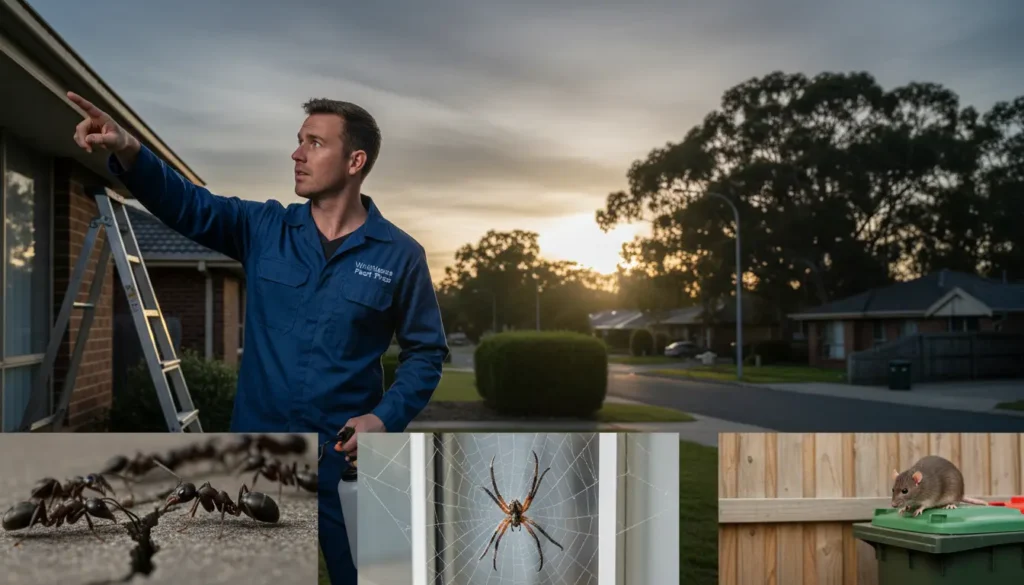
Living in the beautiful Whittlesea suburbs means enjoying a mix of rural charm and urban convenience, but it also comes with its share of unwelcome visitors. Pests like spiders, ants, and rodents thrive in our temperate climate, turning cosy homes into battlegrounds. If you’ve noticed creepy crawlies in your kitchen or mysterious droppings in the garage, you’re not alone. At Whittlesea Pest Pros, we’ve handled countless calls from locals facing these exact issues, from termite threats in older homes to mosquito swarms during humid summers. This guide cuts through the confusion, revealing the most pressing pest problems in our area and equipping you with the knowledge to tackle them head-on. Whether you’re in Whittier Valley or Yan Yean, understanding these threats is the first step to a pest-free life. Stick with us as we break it down, drawing on years of local expertise to help you protect what matters most.
Understanding the Most Common Pest Issues in Whittlesea Suburbs
Whittlesea’s unique landscape—rolling hills, nearby bushland, and proximity to Melbourne—creates ideal conditions for various pests. Our temperate weather, with wet winters and warm summers, accelerates breeding cycles, making infestations more likely in both established suburbs and newer developments. From the red volcanic soil that attracts certain insects to the dense vegetation around properties, local factors amplify these problems. At Whittlesea Pest Pros, we’ve serviced homes across the region and seen patterns emerge that many residents overlook.
The top pests plaguing Whittlesea include:
-
Spiders: With over 2,000 species in Australia, the common house spider and huntsman are frequent sights. They love the nooks of weatherboard homes and sheds, especially during cooler months when they seek warmth indoors. Bites from some, like the redback, can cause nasty reactions, though fatalities are rare with prompt treatment.
-
Ants: Argentine and black house ants form massive colonies under pavers and in garden beds. Our clay-heavy soils retain moisture, drawing them to kitchens for sugary scraps. Infestations can number in the thousands, spreading quickly if not addressed.
-
Cockroaches: These resilient blights favour damp areas like under sinks or in roof voids. Whittlesea’s humidity spikes in spring fuel their numbers, and they carry bacteria that pose health risks, particularly to kids and the elderly.
-
Rodents: Bush rats and house mice sneak in via gaps in brickwork, thriving on unsealed food stores. The area’s agricultural edges mean more rodents venturing into suburbs, chewing wires and spreading diseases like leptospirosis.
-
Termites: Subterranean termites are a silent destroyer, tunnelling through soil to feast on timber frames. Whittlesea’s eucalypt forests provide endless food sources, and undetected damage can cost thousands in repairs.
- Mosquitoes: Breeding in stagnant water from summer storms, they peak in our wetlands-adjacent suburbs. Beyond itchy bites, they transmit viruses like Ross River, a growing concern in Victoria.
In our experience at Whittlesea Pest Pros, early detection is key—many infestations start small but escalate without intervention. We’ve treated properties in Whittlesea where ignoring initial signs led to widespread issues. Understanding why these pests target our suburbs—mild winters allowing year-round activity and human habits like leaving bins uncovered—helps prevent them. For instance, spiders exploit cluttered garages, while ants exploit unsealed cracks from our expansive clay soils. By recognising these signs, like silk webs in corners or sawdust-like frass from termites, locals can act swiftly. This knowledge isn’t just theoretical; it’s based on hands-on work protecting Whittlesea families for over a decade. If you’re spotting these indicators, it’s time to assess your property’s vulnerabilities.
Effective Strategies to Combat Pest Problems in Your Whittlesea Home
Tackling pests in Whittlesea requires a blend of prevention and targeted action, tailored to our local environment. The region’s variable weather—drenching rains followed by dry spells—creates breeding hotspots, while diverse housing from brick veneer to rural sheds demands custom approaches. Regulations under Victoria’s pest control laws emphasise safe, eco-friendly methods, avoiding harsh chemicals near waterways. Start by inspecting your property seasonally, focusing on entry points like doors and vents.
Here are practical steps to keep pests at bay:
-
Seal Entry Points: Use silicone caulk on cracks around windows and doors. In Whittlesea’s older homes, check eaves and downpipes where spiders weave webs. Mesh screens on vents prevent rodents, especially during wet seasons when they seek shelter.
-
Maintain Your Garden: Trim overhanging branches that bridge pests indoors. Clear leaf litter, a mosquito haven in our humid climes, and use mulch sparingly to deter ants. Plant native insect-repelling species like lemon-scented gum to naturally ward off flies.
-
Manage Waste: Secure bins with tight lids to avoid attracting cockroaches and rats. In suburban Whittlesea, where wheelie bins are common, rinse recyclables to eliminate food odours that draw pests from nearby bushland.
- Indoor Habits: Store pantry goods in airtight containers and fix leaks promptly—dampness invites cockroaches. For termites, ensure soil doesn’t touch timber structures, a must in our moisture-retaining soils.
Local factors like Whittlesea’s proximity to the Plenty River mean flooding can displace pests into homes, so elevate storage and use dehumidifiers in basements. For mosquitoes, eliminate standing water in pots or gutters after storms, complying with council guidelines on breeding sites.
Pro Tip: An insider secret from our team: Apply a diatomaceous earth barrier around your home’s perimeter in autumn. This natural powder dehydrates crawling insects like ants and spiders without chemicals, ideal for Whittlesea’s family-oriented suburbs where pets and kids play.
If DIY feels overwhelming, consider professional assessments. Our team at Whittlesea Pest Pros uses integrated pest management, combining baits and monitoring for long-term results. Regular treatments, especially pre-summer, have helped countless locals in areas like Mill Park avoid costly invasions. By implementing these strategies, you’ll reduce risks and maintain a healthier home environment suited to our Aussie lifestyle.
Common Mistakes to Avoid When Dealing with Pests in Whittlesea
Homeowners in Whittlesea often underestimate pest threats, leading to bigger headaches down the line. One frequent error is delaying action—spotting a few ants and hoping they’ll vanish, only for colonies to explode in our warm weather. This procrastination can turn a minor nuisance into structural damage, with termites alone costing Victorians millions annually in repairs.
Another pitfall is relying on over-the-counter sprays without identifying the pest. Generic products might kill surface insects but miss nests, allowing cockroaches to rebound stronger. In our region, where rodents carry hantavirus, improper baits can poison pets or wildlife, breaching local environmental regs and risking fines up to $10,000.
Ignoring professional advice is common too. DIY traps for spiders sound simple, but mishandling venomous ones like white-tails can lead to medical bills. We’ve seen cases where homeowners in Whittlesea’s rural fringes used outdated methods, exacerbating allergies from mosquito bites or spreading bacteria via uncleaned rodent droppings.
Financially, these mistakes sting: Untreated infestations average $2,000-$5,000 in fixes, plus health costs from diseases. Safety-wise, electrical faults from chewed wires spark fires, a real danger in wooden homes. To sidestep this, always verify pest types first and opt for licensed pros. Visit our homepage for reliable guidance tailored to Whittlesea challenges. Avoiding these traps preserves your peace of mind and wallet.
Wrapping Up: Stay One Step Ahead of Pests in Whittlesea
In Whittlesea suburbs, pests like spiders, ants, and termites pose real challenges, but armed with the right knowledge, you can minimise their impact. We’ve covered the key issues, from understanding why our climate favours them to practical prevention tips and pitfalls to dodge. Remember, early vigilance—sealing gaps, managing waste, and seasonal checks—makes all the difference in keeping your home safe and comfortable.
If these problems sound familiar and you’d rather leave it to experts, Whittlesea Pest Pros is here to help. Our local team specialises in thorough, eco-conscious treatments that fit seamlessly into your life. No more worrying about hidden threats; focus on enjoying the great outdoors instead. Need help with top pest problems in Whittlesea suburbs? Call Whittlesea Pest Pros today at 0370539826.
Leave a Reply